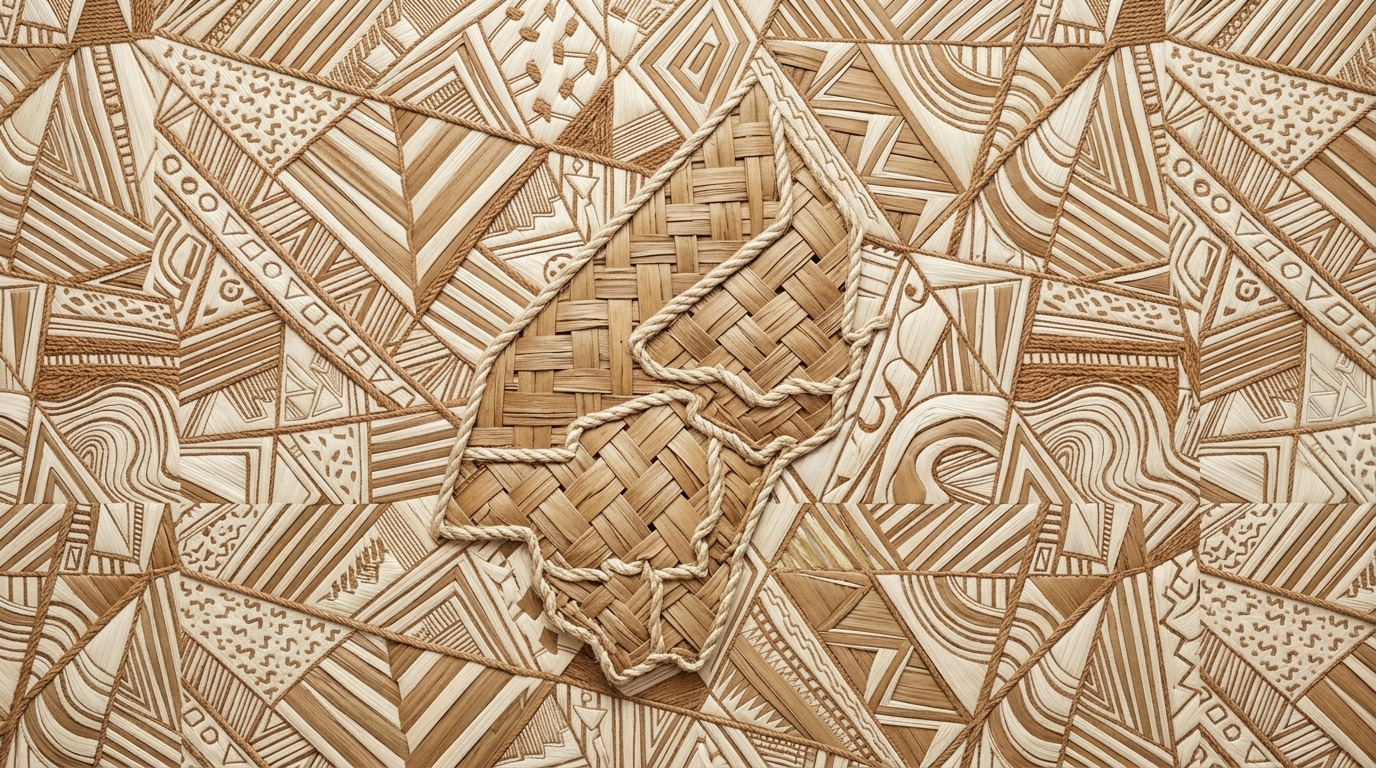
The Elder's Hands.
The Youth's Tomorrow.
Culture for All Time.
A living heritage network linking Kilifi's Mijikenda artisans, cooks, dancers, and knowledge-holders across seven communities, connecting them with each other and the world. Built for the people who made it.
Mikono ya Mzee. Kesho ya Vijana. Utamaduni wa Milele.
About Asili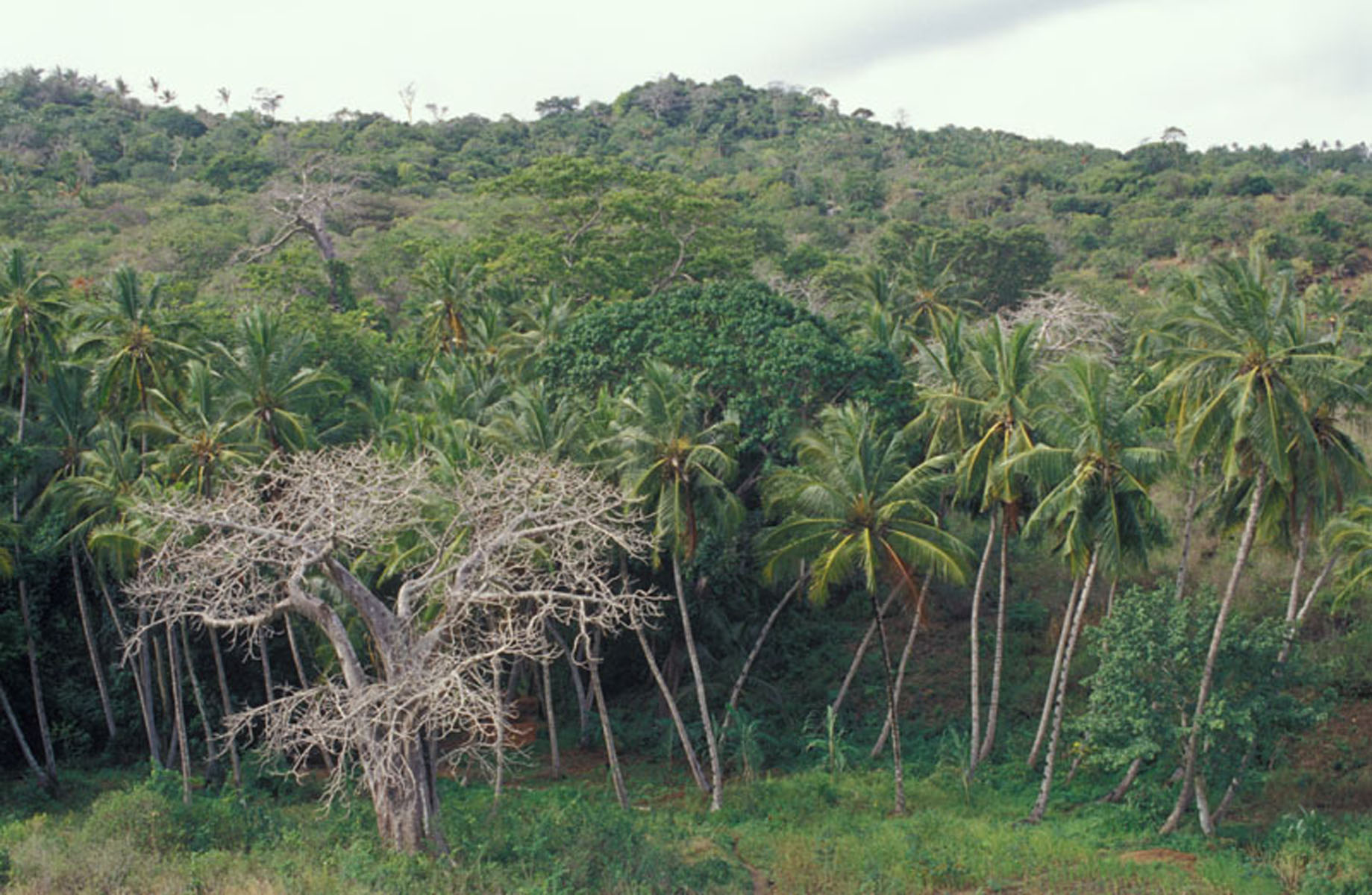
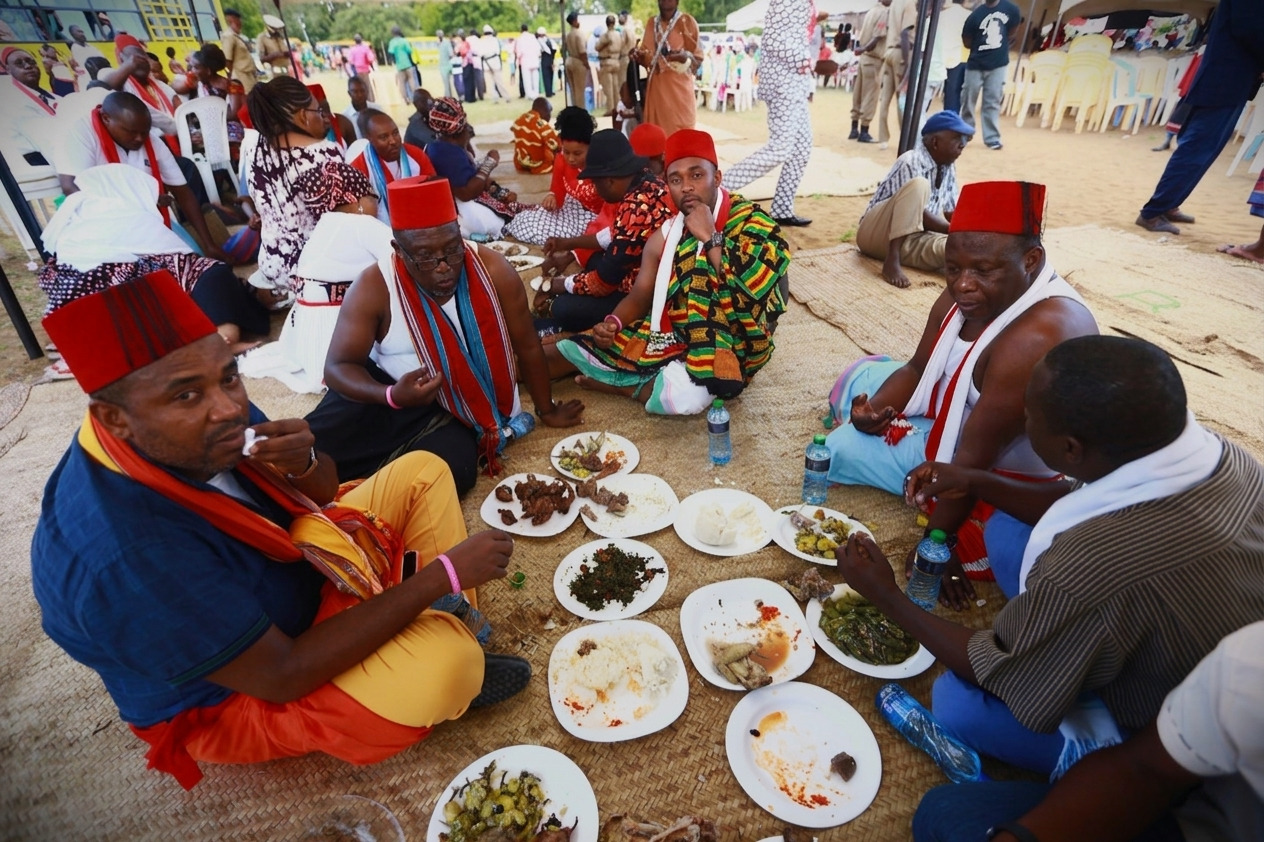
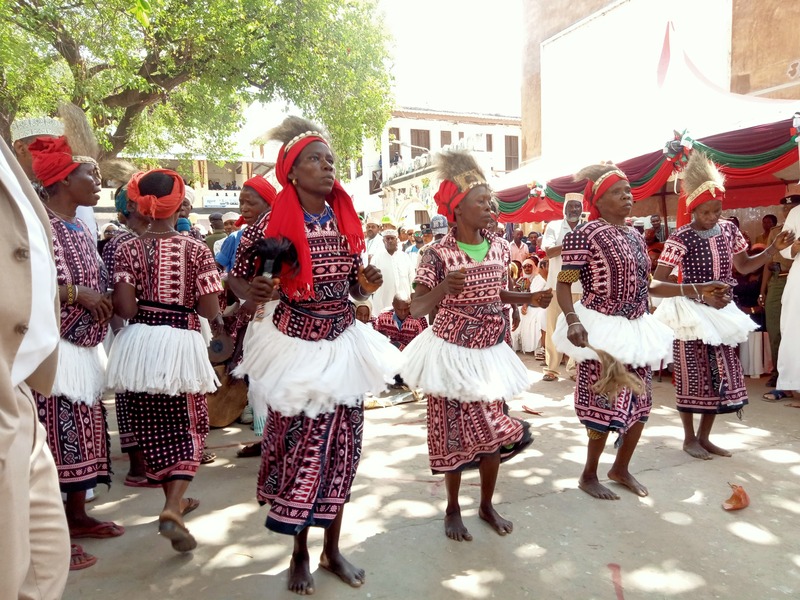
The Elder's Hands.
The Youth's Tomorrow.
Culture for All Time.
Mikono ya Mzee: where coast culture lives, works, and is shared fairly.
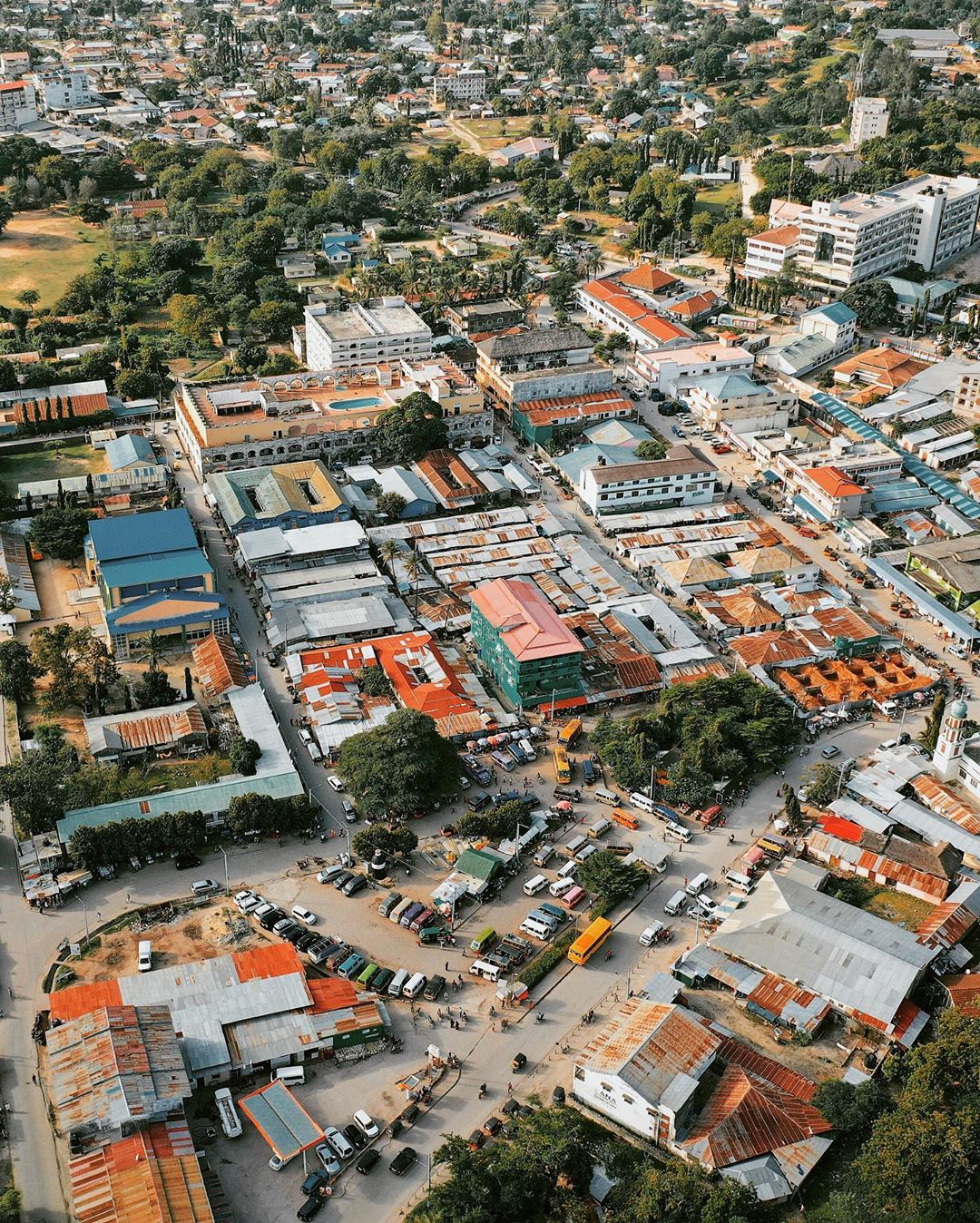
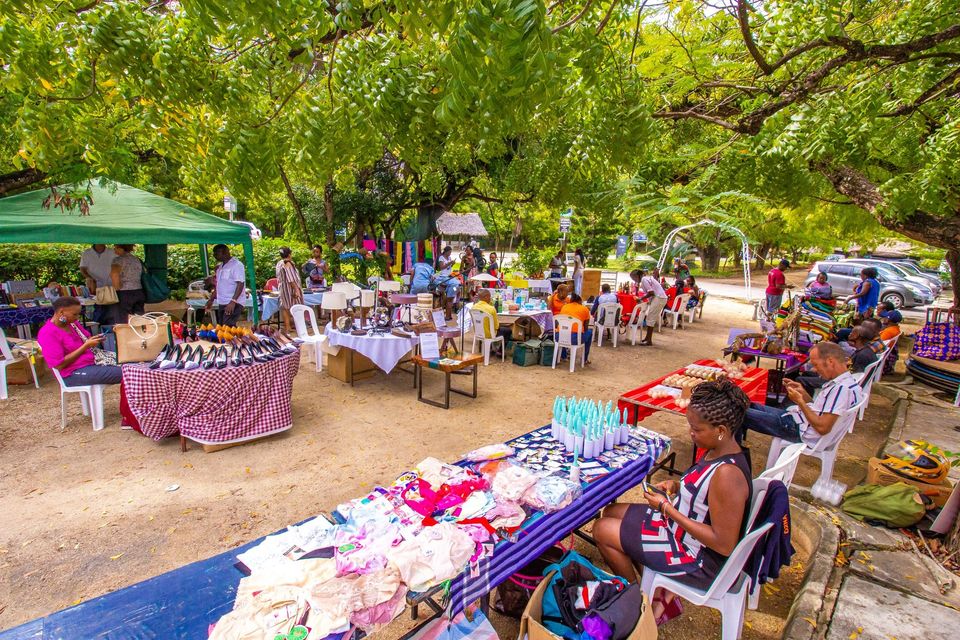
A living heritage network linking Kilifi's Mijikenda artisans, cooks, dancers, and knowledge-holders across seven communities, connecting them with each other and the world. Built for the people who made it.
Carried in Hands for Generations
Hazina ya Utamaduni (The Cultural Treasury)
Elder stories, dance records, food histories, and craft meanings form the living knowledge of the Mijikenda people, preserved and shared.
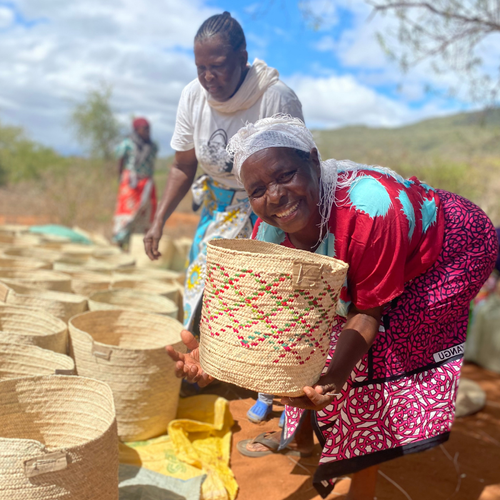
The Pattern That Remembers
How Mwaka Kadi weaves stories of the Kaya forests into every majamvi mat she creates, passing down patterns through seven generations.
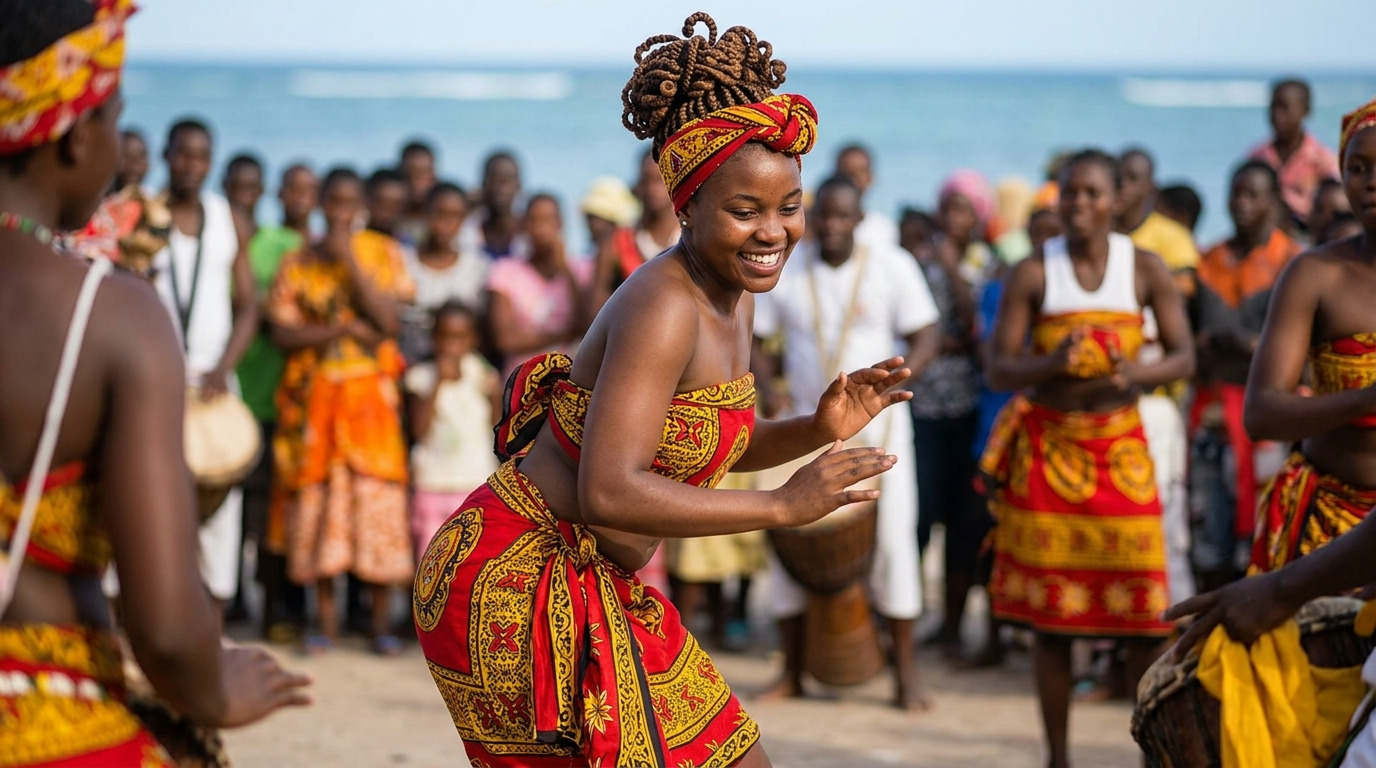
Chakacha: Rhythm of the Coast
The thunderous hip-swaying dance that announces celebrations across Giriama country and why it is more than entertainment.
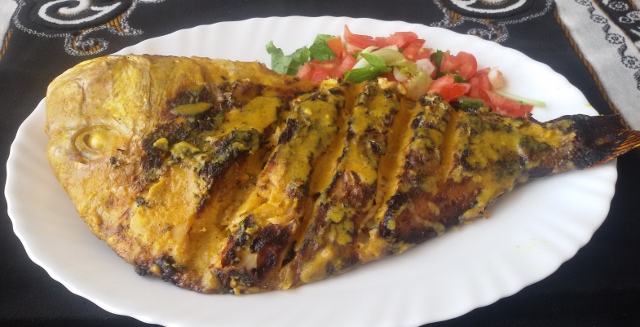
Samaki wa Kupaka: Fish with History
The coconut-marinated fish dish that tells the story of trade routes, Arab influence, and the Indian Ocean kitchen that shaped coastal Kenya.
Rooted in Seven Communities
Vituo Saba vya Utamaduni (Seven Cultural Enterprise Centres)
Fresh from the Artisan's Hands
Products, food, and experiences made this week, certified authentic.
Meet the Makers
Every product carries a face and a story.
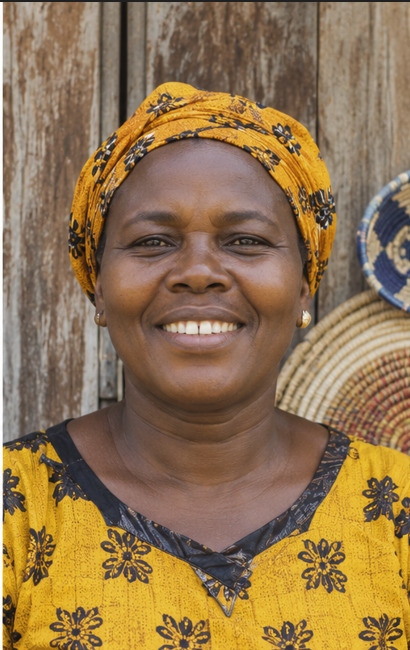
Mwaka Kadi
Master Weaver · Kaloleni
"I learned to weave sitting beside my grandmother in the shade of the mvule tree. The patterns I make are the same patterns she made, and her grandmother before her."
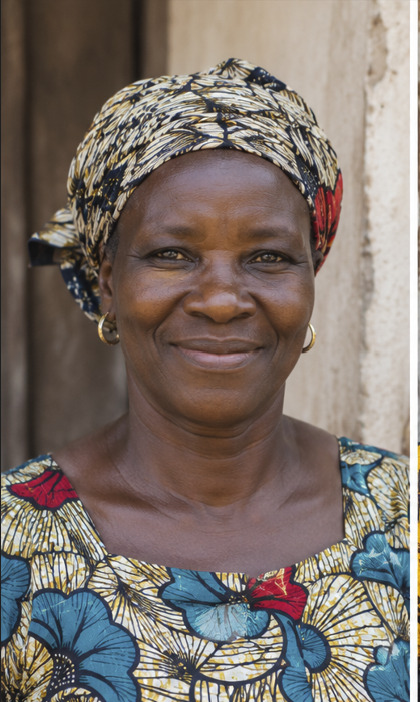
Asha Baya
Beadwork Specialist · Kilifi South
"Each bead I string carries meaning: blue for the ocean that feeds us, white for the peace we seek, red for the strength of our mothers."
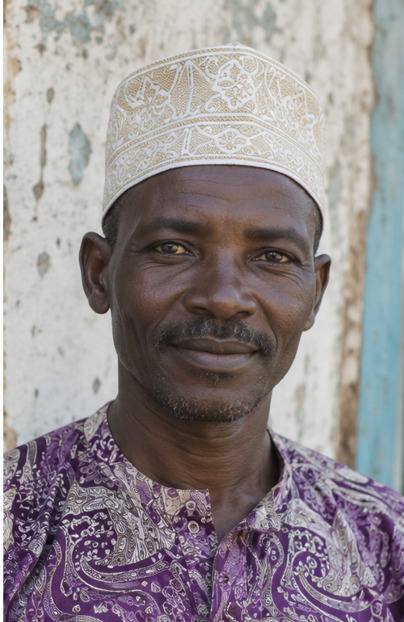
Komora Dzombo
Wood Carver · Magarini
"The wood speaks to me before I cut it. I wait until I see the shape inside. Then my hands follow what the tree already knows it wants to become."
Sherehe ya Utamaduni wa Mijikenda
Annual Mijikenda Culture Week
Seven days. Seven sub-counties. Every craft demonstrated, every dance performed, every traditional food available. The world comes to Kilifi.
Every Transaction Builds Something Lasting
You buy a piece of craftsmanship.
The artisan earns fair, direct income paid directly to their M-Pesa within 24 hours.
KES 50 goes to the Centre fund.
From every transaction, KES 50 is directed to the sub-county's Cultural Enterprise Centre fund.
That fund pays for the future.
Youth apprenticeships, archive recordings, and elder artisan recognition keep the culture alive.
This is the Mikono ya Mzee Cultural Preservation Levy. It is not a charge. It is a promise.
Verified artisan profiles
From all 7 sub-counties
M-Pesa payments
Instant and familiar
Certified Mijikenda products
Not tourist reproductions
Ships across Kenya and internationally
Reliable delivery worldwide
Hazina ya Utamaduni
The Cultural Treasury of the Mijikenda People
Not a museum. Not a memorial. A living record of knowledge that is still practised, still taught, and still needed.
Mwaka Kadi
Master Weaver · Kaloleni · 52 years of practice
"The pattern I weave today is the same pattern my grandmother wove when she sat in this same shade. When I close my eyes, my hands still know the way without looking."
Mwaka Kadi learned majamvi weaving at age 12, sitting beside her grandmother in the compound of their Kaloleni homestead. Now 72, she is one of the last master weavers of the Giriama diamond pattern: a design that encodes navigation markers used by Mijikenda travellers through the Kaya forests.
The Diamond Pattern of the Kaya
Kaloleni · 5 min read
How the majamvi diamond weave pattern served as a navigation code for Mijikenda travellers moving between sacred forest settlements.
Read the story →
Kilumi: The Healing Dance of Magarini
Magarini · 8 min watch
The rhythmic, shaking dance traditionally performed during healing ceremonies and the spiritual knowledge it carries for practitioners.
Watch →
Kaimati: The Sweet Heritage of Rabai
Rabai · 6 min read
How these deep-fried sweet dumplings became central to Rabai celebrations and why every grandmother's recipe is slightly different.
Read the story →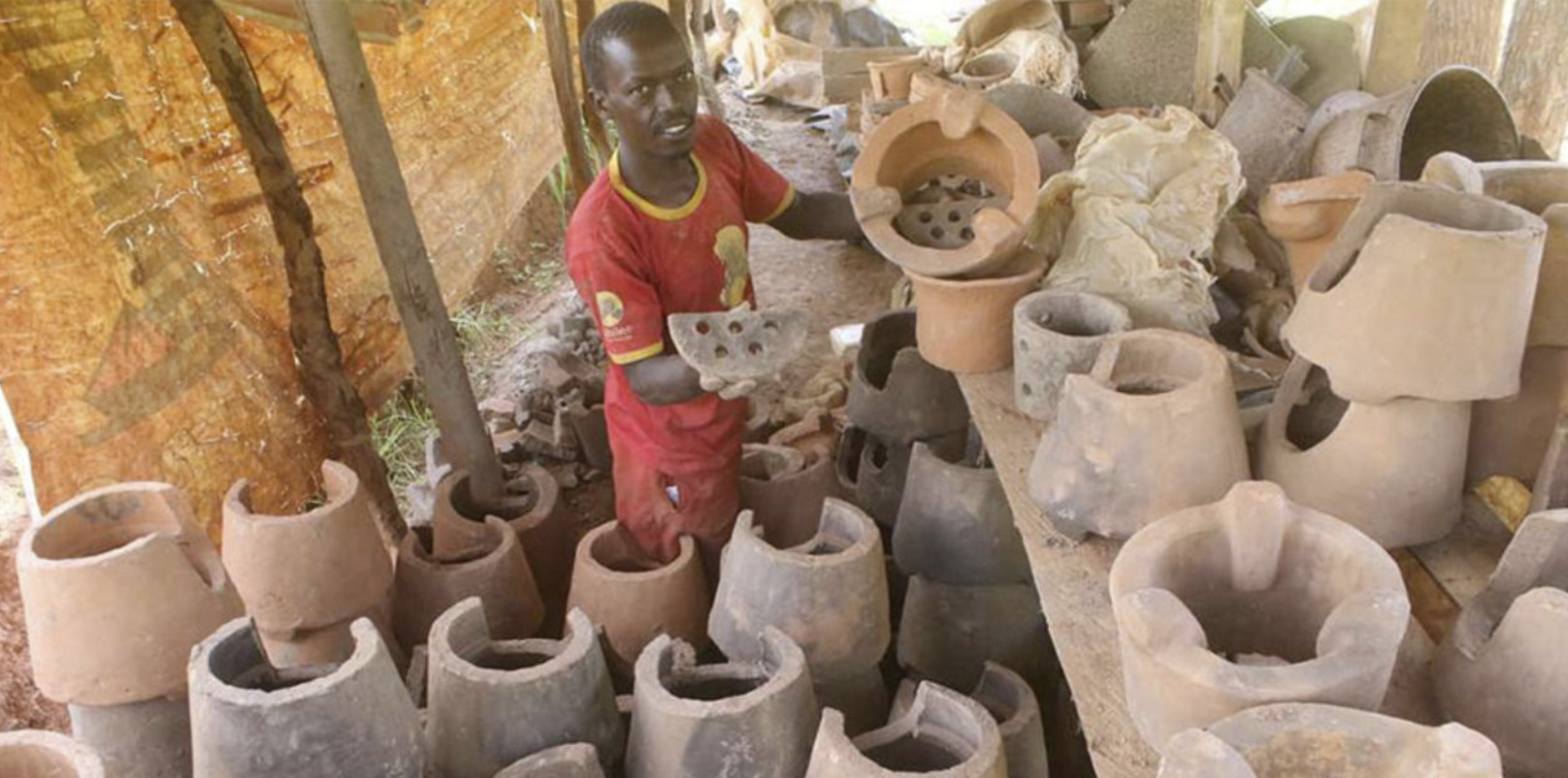
Ganze Clay: Pottery Without a Wheel
Ganze · 7 min read
The hand-coiling technique passed down through Duruma generations and why Ganze clay produces pots that cook differently from any other.
Read the story →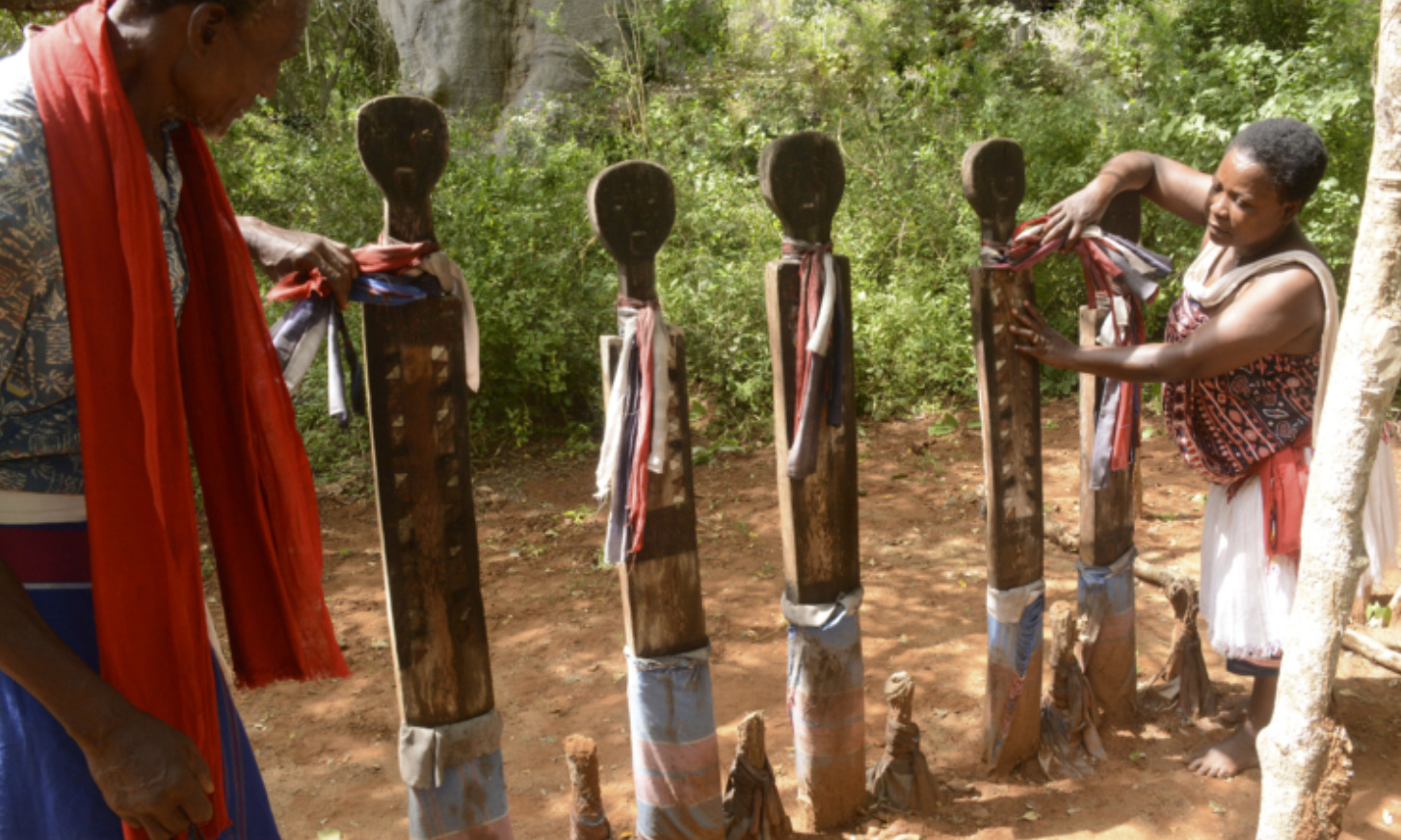
The Songs That Guide the Initiated
Rabai · 10 min watch
Recordings of the initiation songs of Rabai: sacred chants that have marked the passage from childhood to adulthood for centuries.
Watch →
Mchuzi wa Nazi: The Coconut Foundation
Kilifi South · 5 min read
Every coastal kitchen begins with coconut milk. This is the story of how Mijikenda cooks extract, grade, and use nazi in everything from fish to vegetables.
Read the story →Explore by Sub-County
Vituo Saba vya Utamaduni
Seven Cultural Enterprise Centres across Kilifi County
Each centre is a workshop, an academy, a kitchen, an archive, and a venue rooted in its community and connected to the world.
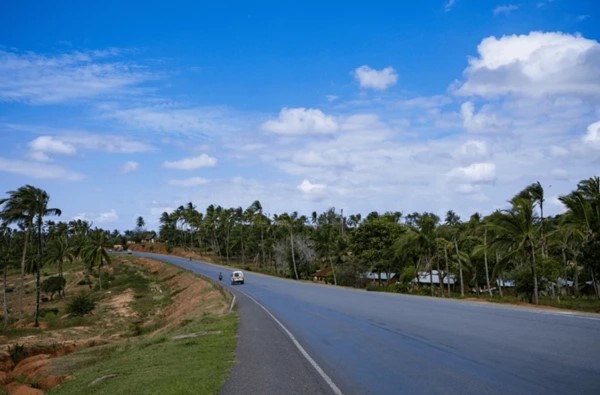
Kaloleni Cultural Centre
Majamvi weaving, Chakacha performance, and coconut-based traditional cuisine
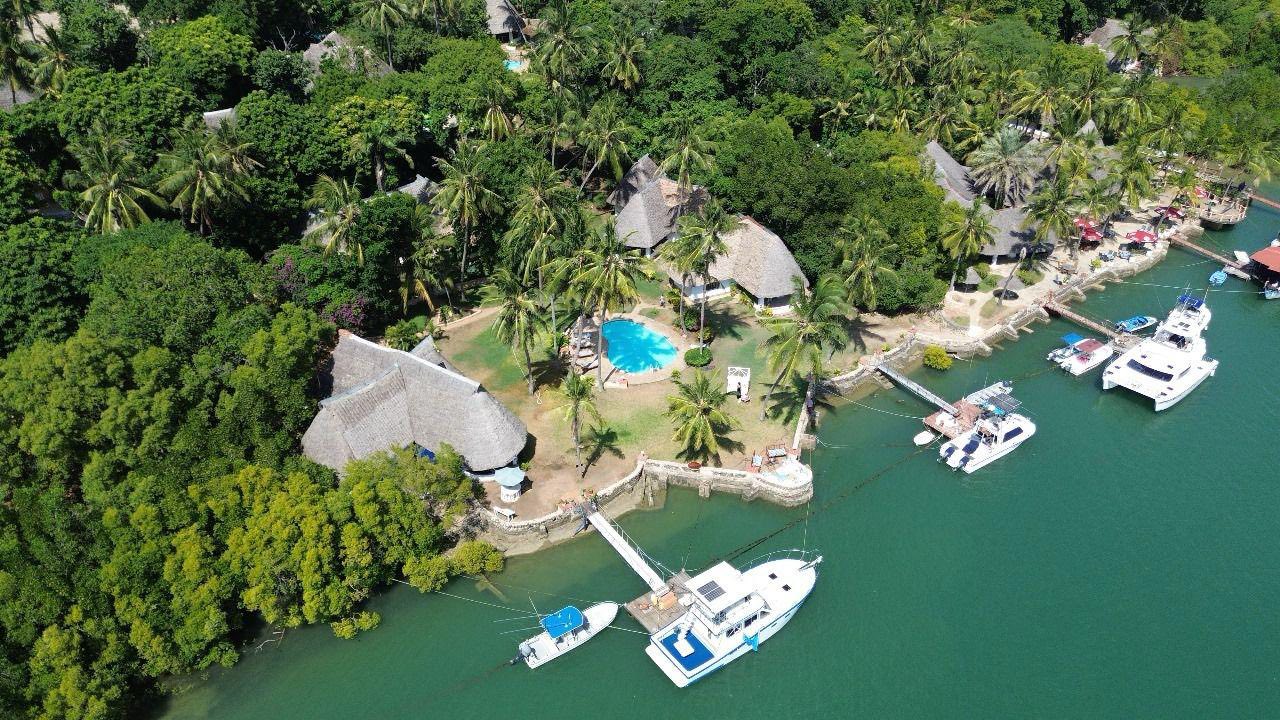
Kilifi South Cultural Centre
Beadwork traditions, coastal performance arts, and samaki wa kupaka heritage
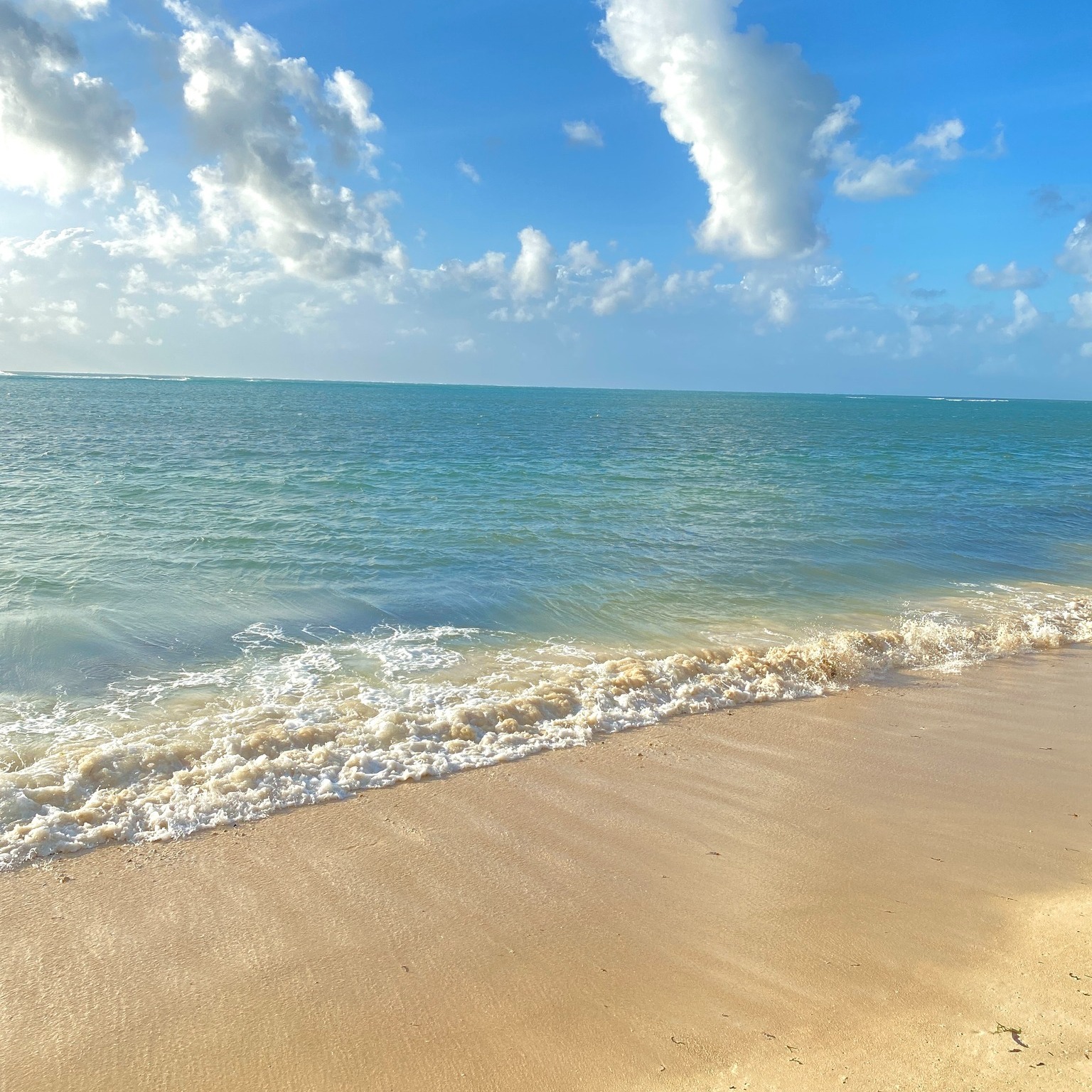
Malindi Cultural Centre
Natural fibre craft, Giriama/Pokomo weaving traditions, and Sabaki fish heritage
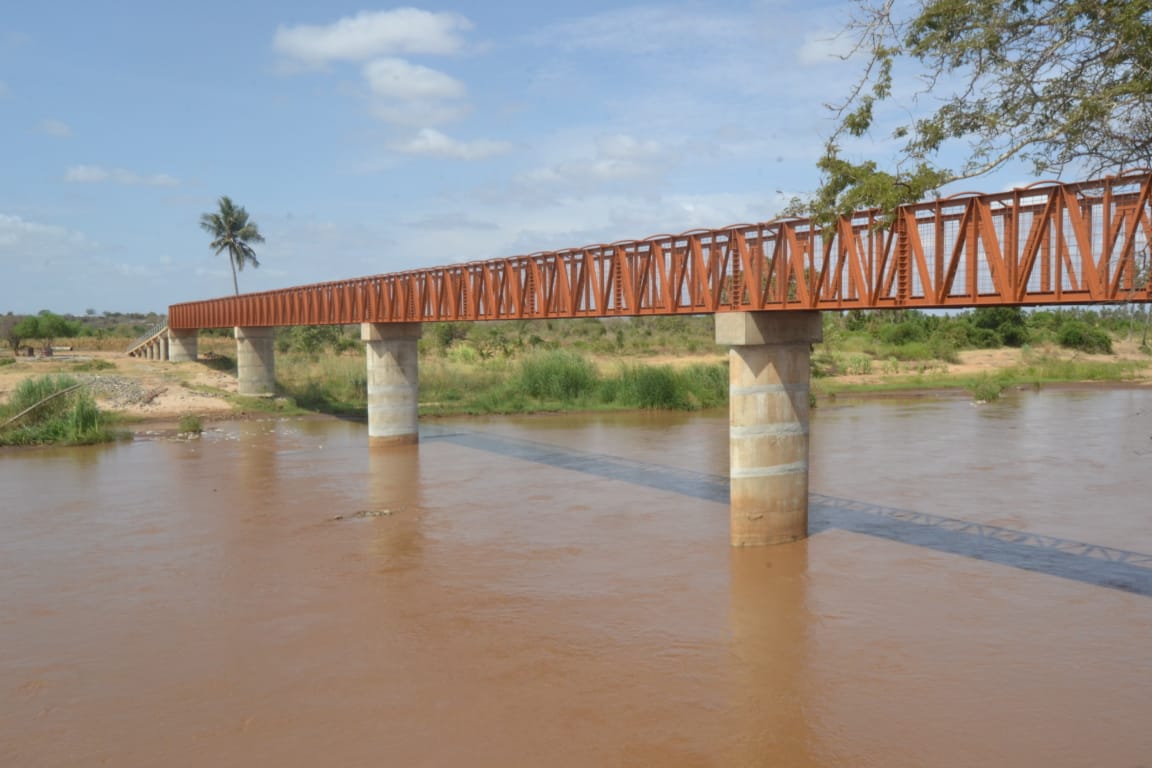
Magarini Cultural Centre
Carved hardwood traditions, Kilumi healing dance, and smoked meat preservation
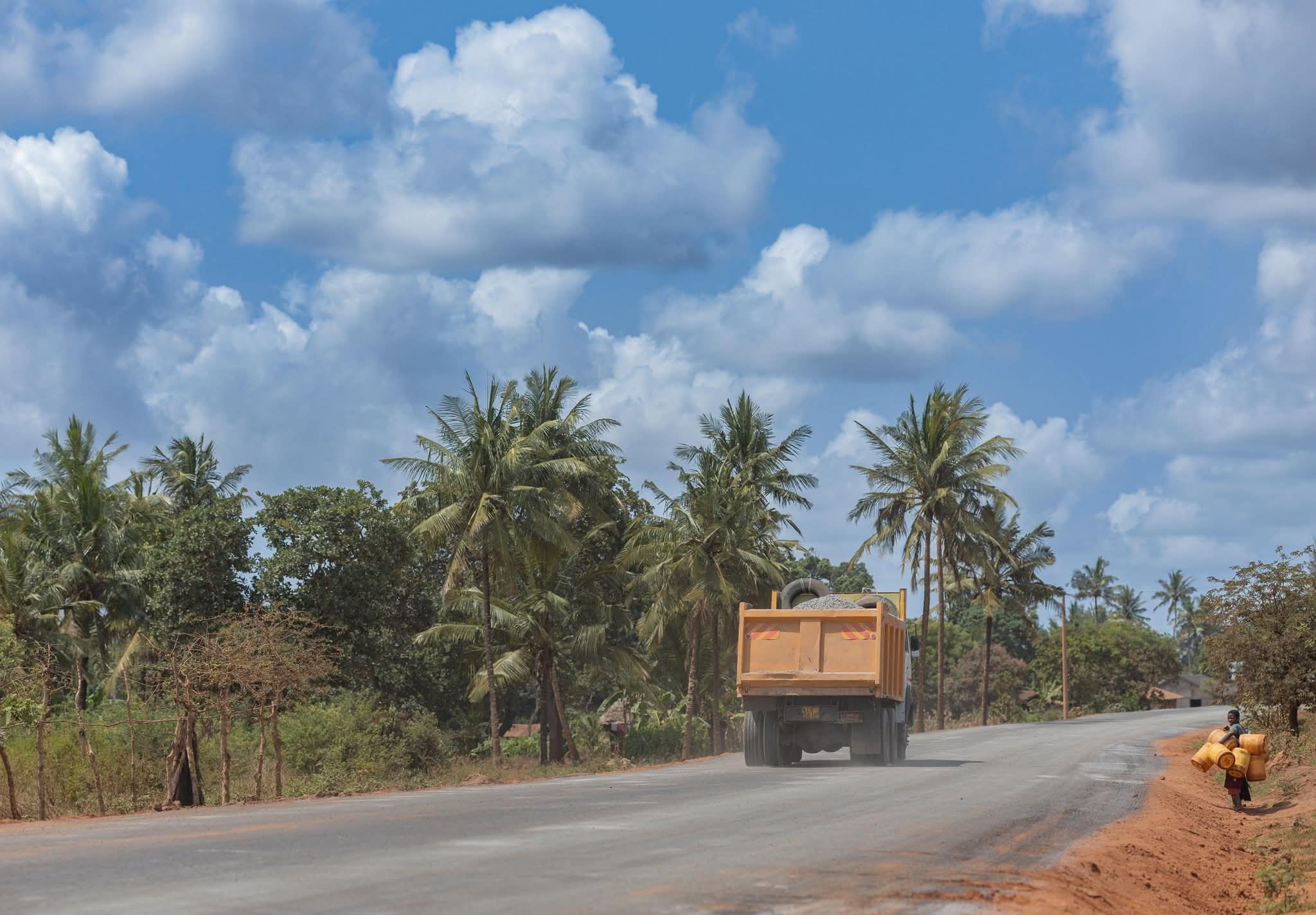
Ganze Cultural Centre
Clay pottery, gourd craft traditions, and sorghum ugali heritage cuisine
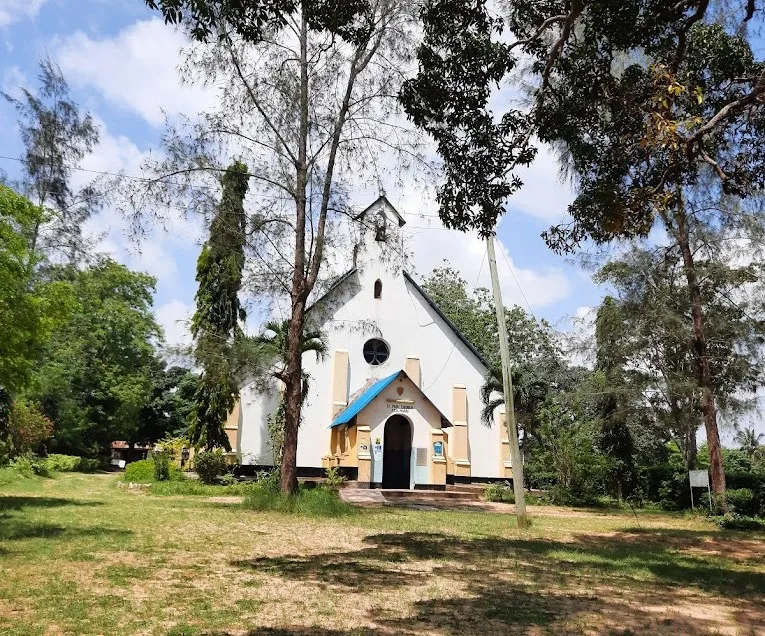
Rabai Cultural Centre
Fine sisal weaving, initiation song traditions, and kaimati and halua sweets

Kilifi North Cultural Centre
Chonyi basketry techniques, Kauma ceremony traditions, and grain dish heritage
Kilifi County
Seven Cultural Enterprise Centres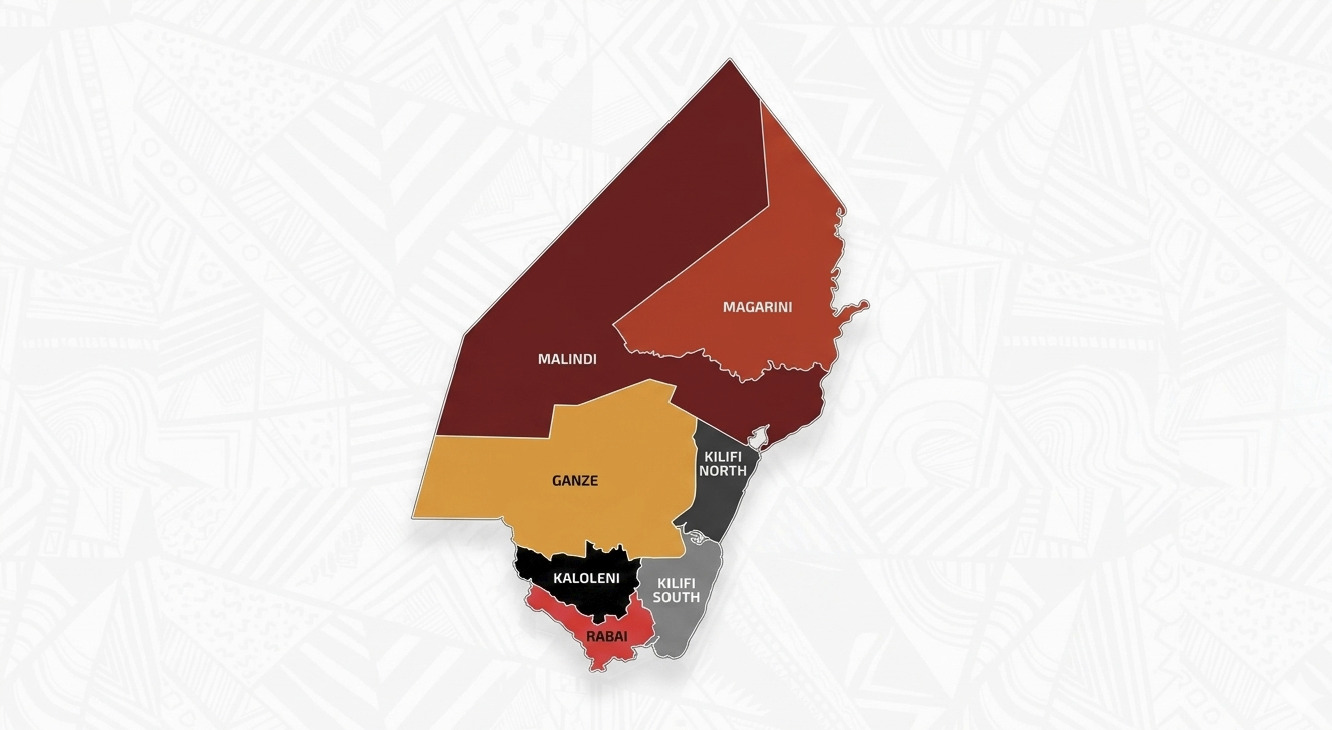
Approximate locations. Kilifi Creek separates Kilifi North and Kilifi South.
Kaloleni Cultural Centre
Majamvi weaving · Chakacha performance · Coconut heritage cuisine
The Master Craft Workshop
Where master artisans work, teach, and preserve majamvi weaving.
The Youth Skills Academy
Mikono ya Mzee apprenticeships at this centre.
The Dance Academy
Chakacha performances, bookable for events.
The Traditional Kitchen
Coastal cuisine: see also Jiko.
The Living Archive
Stories in Hazina.
Products from this Centre
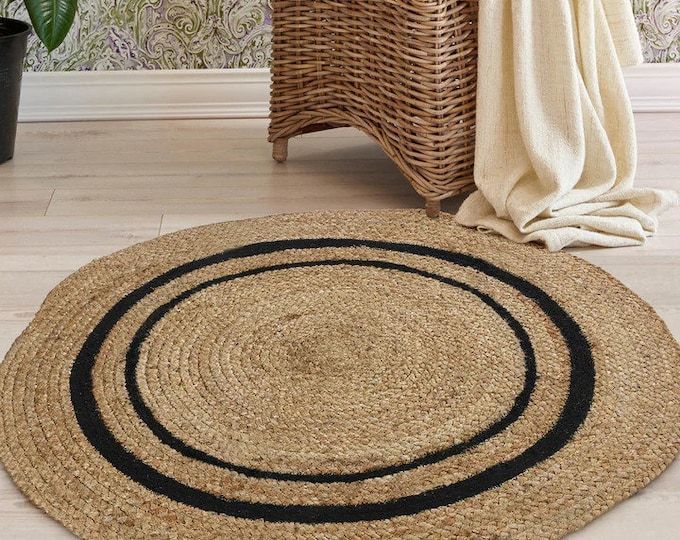
Majamvi Heritage Mat (Diamond Pattern)
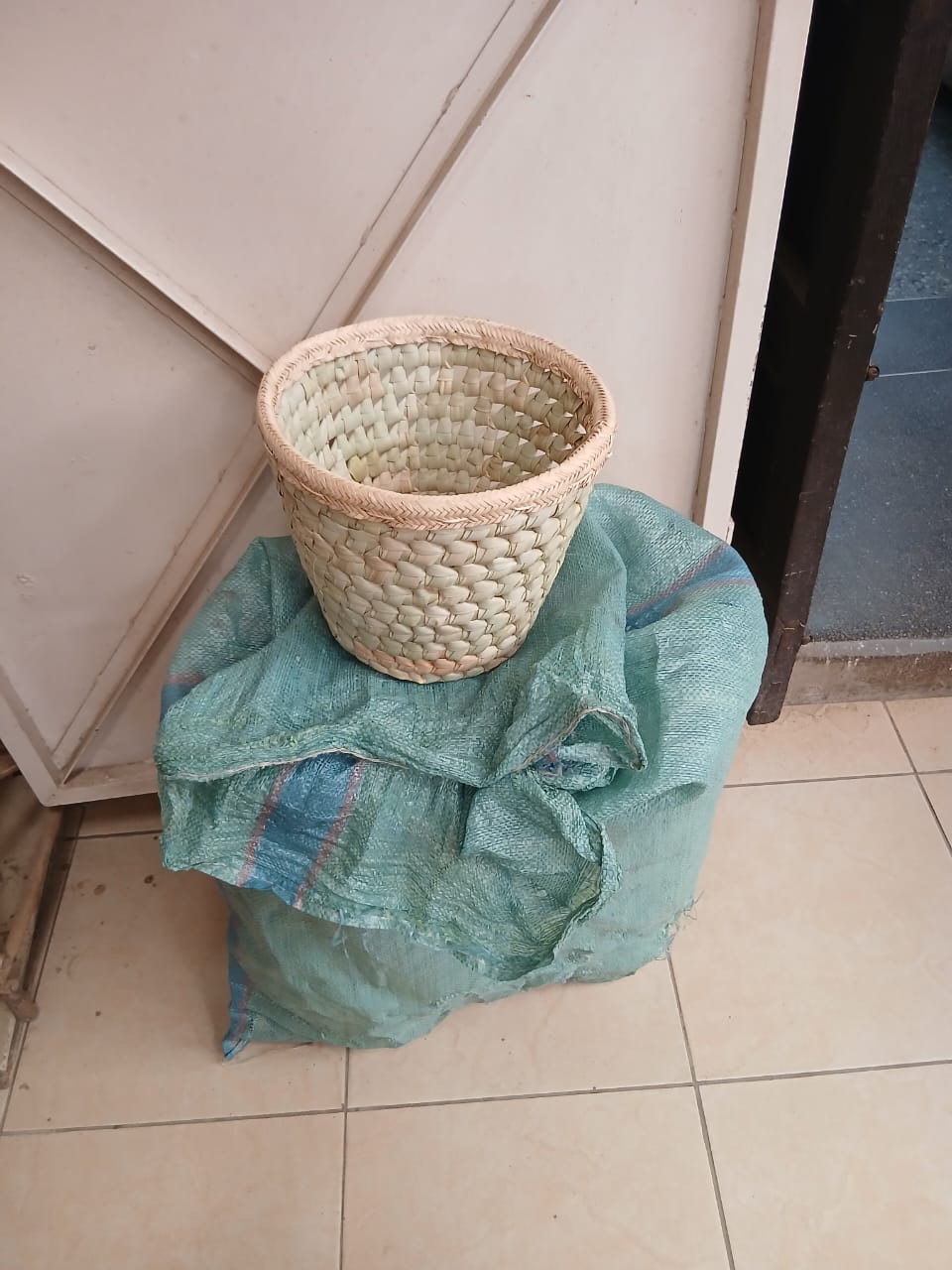
Coconut Fibre Basket (Small)
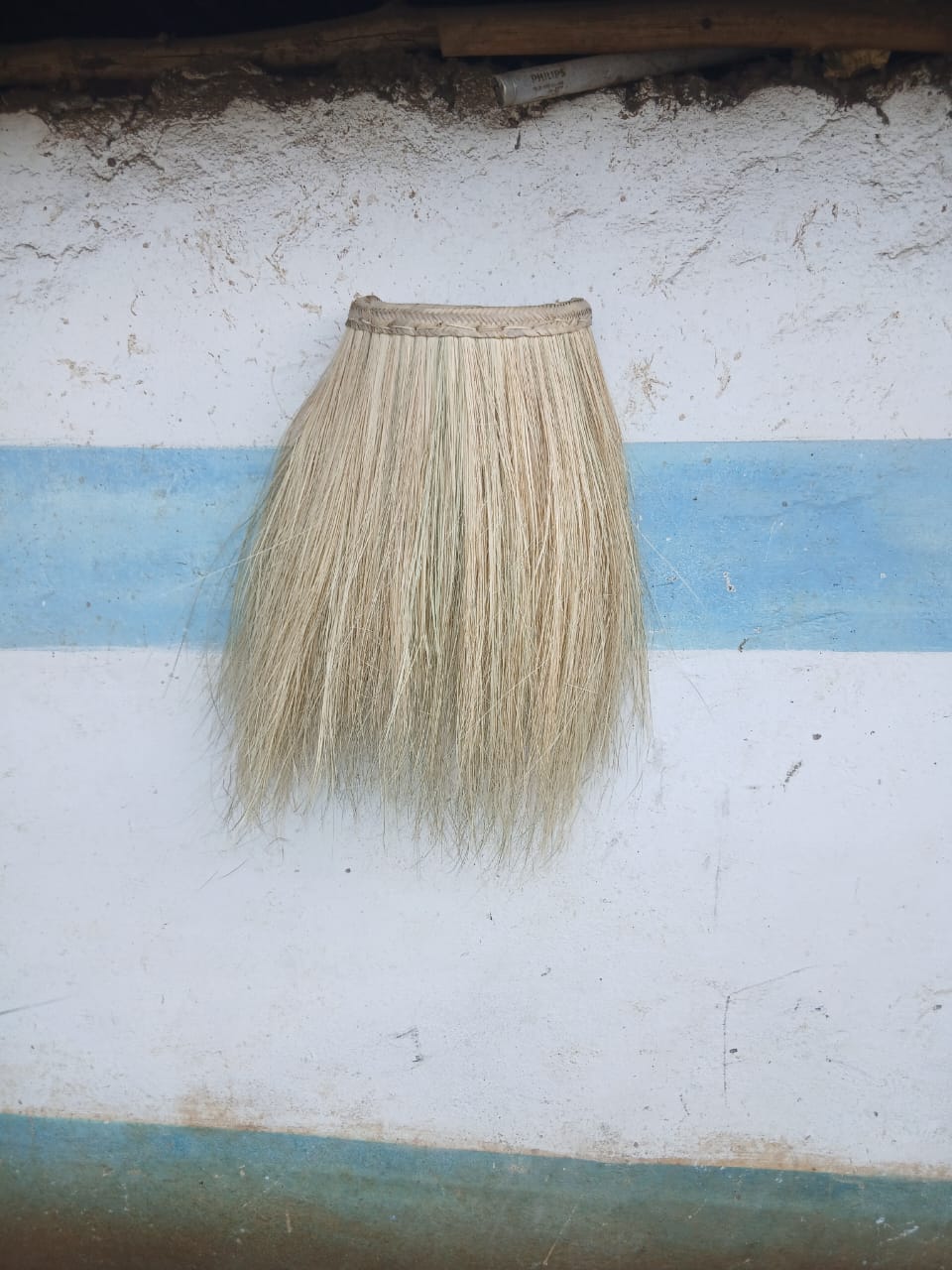
Woven Wall Hanging (Wave Pattern)
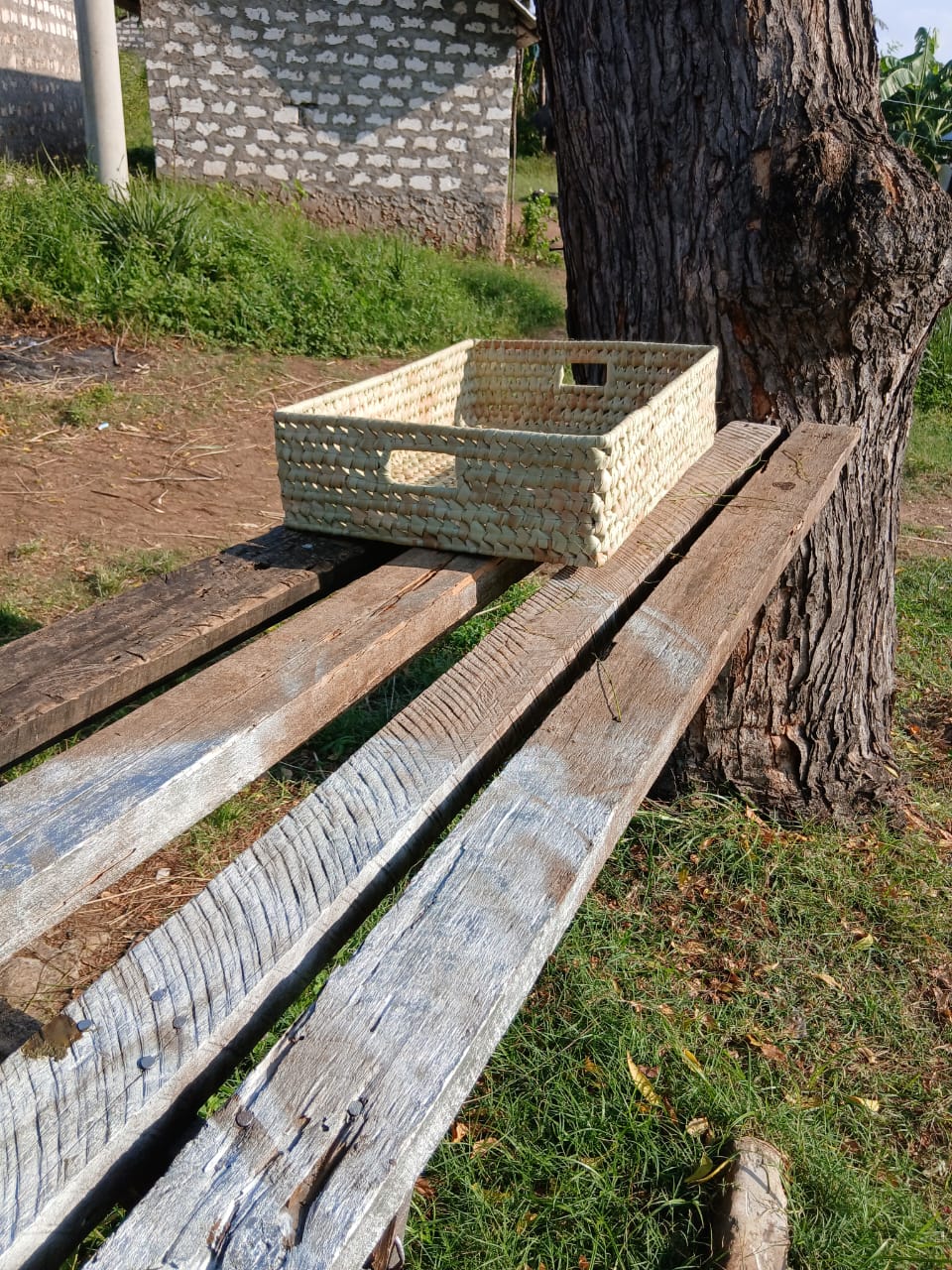
Majamvi Table Runner (Stripe) Design
Artisans at Kaloleni Centre
Mwaka Kadi
Master Weaver
Rehema Tsaka
Weaver & Dancer
Karisa Masha
Chakacha Performer
Visit Kaloleni Cultural Centre
Location
Kaloleni Town, Kilifi County, Kenya
+254 700 000 001
Opening Hours
Mon-Sat: 8:00 AM - 5:00 PM
Cultural Tourism Enquiry
The Soko
Products, food, performances, and experiences: all from Kilifi's artisans.
Showing 24 listings
Majamvi Heritage Mat (Diamond Pattern)
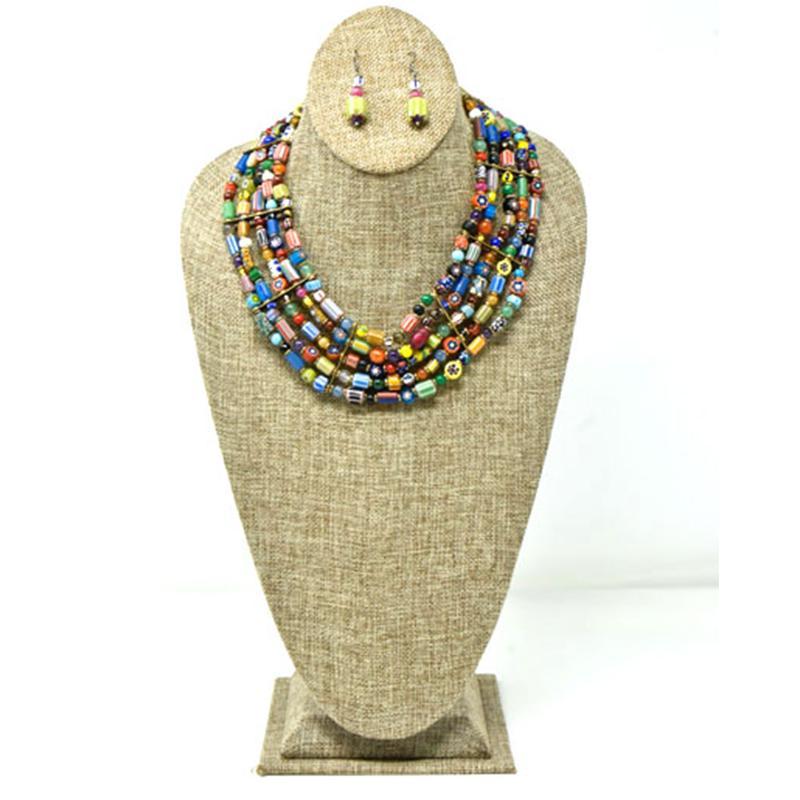
Coastal Beadwork Necklace (Blue Lagoon)
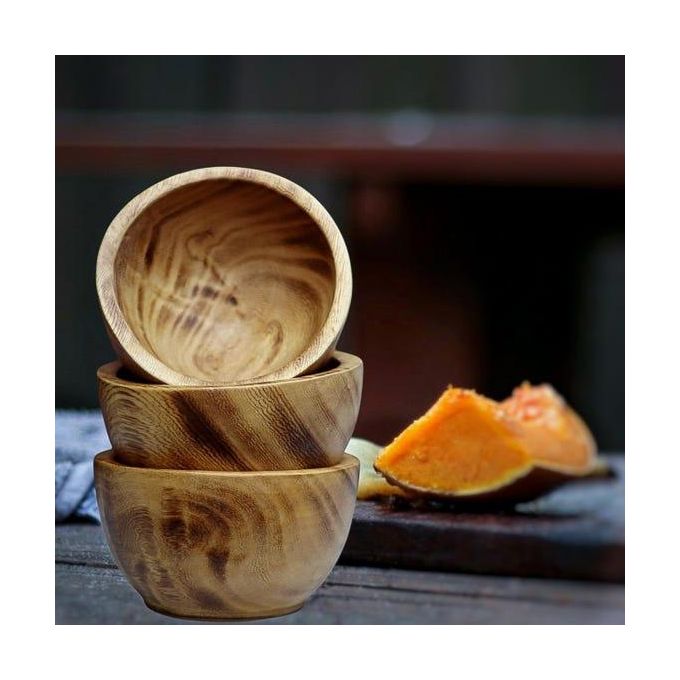
Hardwood Serving Bowl (Hand Carved)
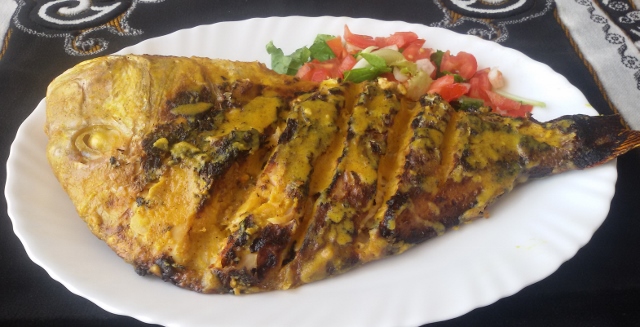
Samaki wa Kupaka (Fresh Fish Pack)
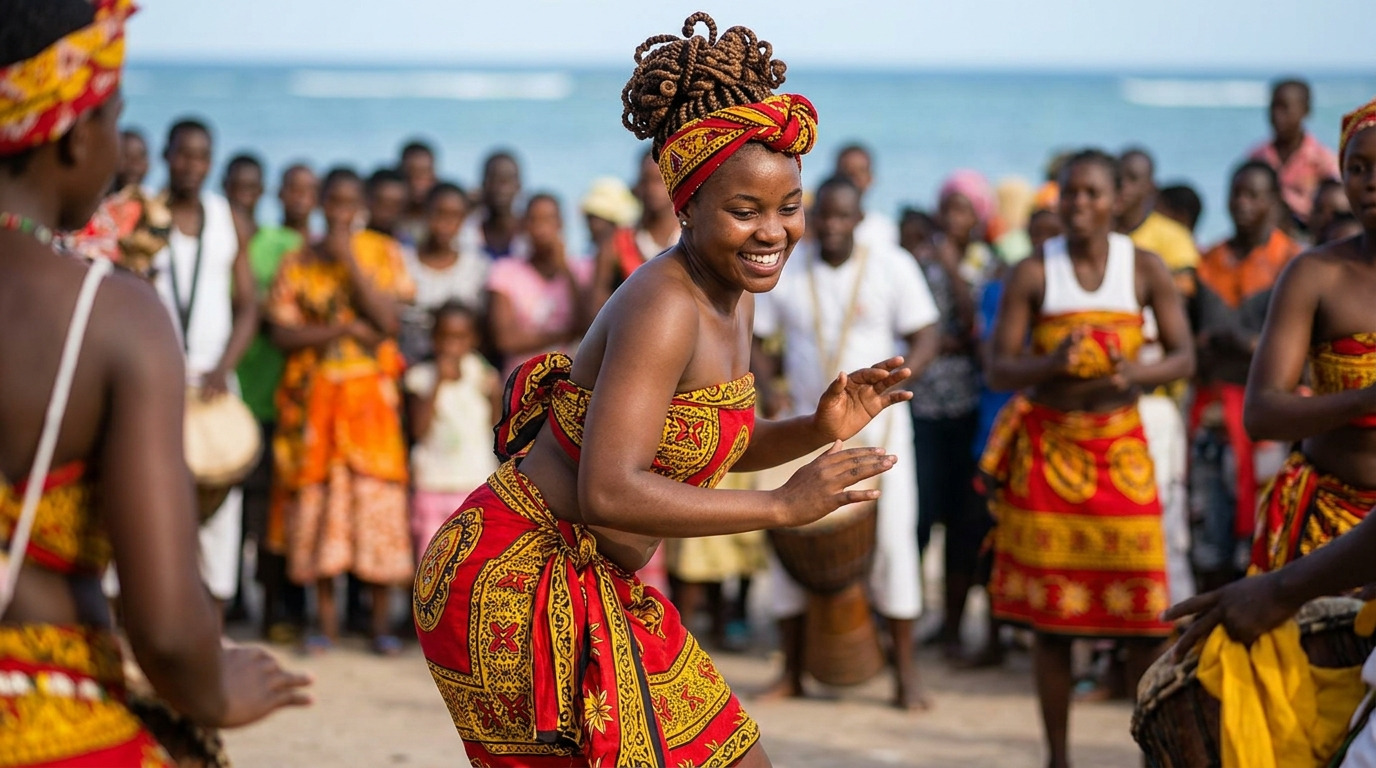
Chakacha Performance (Traditional Dance)
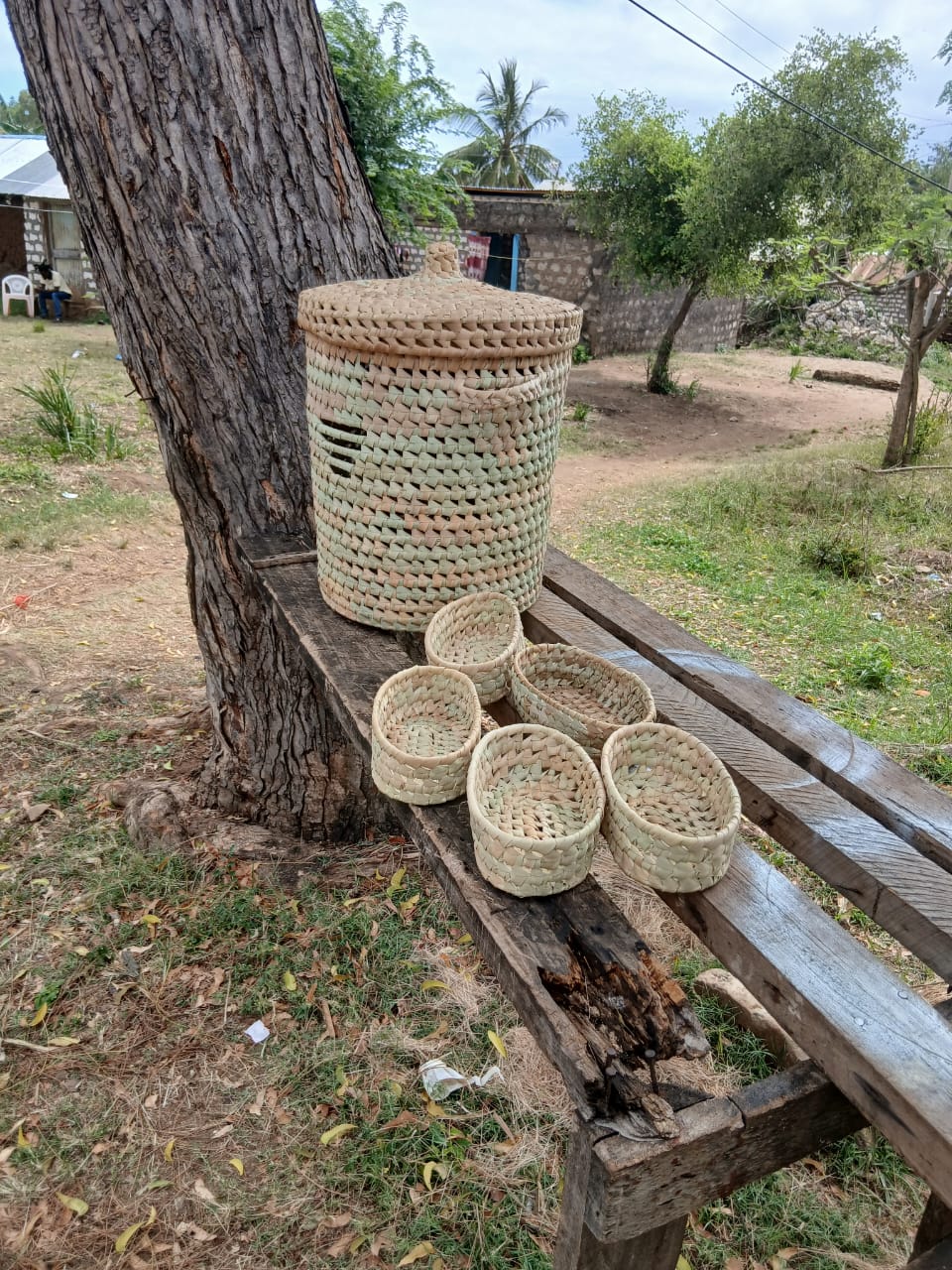
Chonyi Basket (Spiral Weave Pattern)
Filters
Type
Sub-County
Price Range (KES)
Majamvi Heritage Mat (Diamond Pattern)
Kichanja cha Majamvi (Mwundo wa Almasi)
A handwoven majamvi mat featuring the traditional Giriama diamond pattern: a design that encodes navigation markers used by Mijikenda travellers through the Kaya forests. Each mat takes approximately 3 weeks to complete.
Materials
Palm leaf fibre (mkuki), natural dyes, cotton thread border
KES 50 from this purchase supports the Kaloleni Cultural Enterprise Centre, funding youth apprenticeships and elder artisan recognition.
The Diamond Pattern of the Kaya
This majamvi mat carries the diamond pattern, known in Giriama as mwundo wa almasi: a geometric design that served a practical purpose beyond decoration. In the time before mapped roads, Mijikenda travellers used the diamond motif woven into their mats as a directional code: the number of diamonds and their orientation indicated the path between Kaya settlements.
The pattern is woven using a technique called kusuka, where the artisan works with split palm leaf fibres (mkuki) to create tight, interlocking rows. Natural dyes derived from the mringa tree bark produce the earthy brown tones, while undyed fibres provide the cream base. A single mat of this size requires approximately 120 metres of prepared fibre.
The cotton thread border, a later addition that became traditional in its own right, is hand-stitched to prevent fraying and to frame the pattern. The colour of the border often indicates the sub-county of origin.
"When I weave the diamond, I am not making a shape. I am remembering the way home."
Mwaka Kadi, Master Weaver
More from Mwaka Kadi
Majamvi Table Runner (Stripe) Design
Coconut Fibre Basket (Small)
Woven Wall Hanging (Wave Pattern)
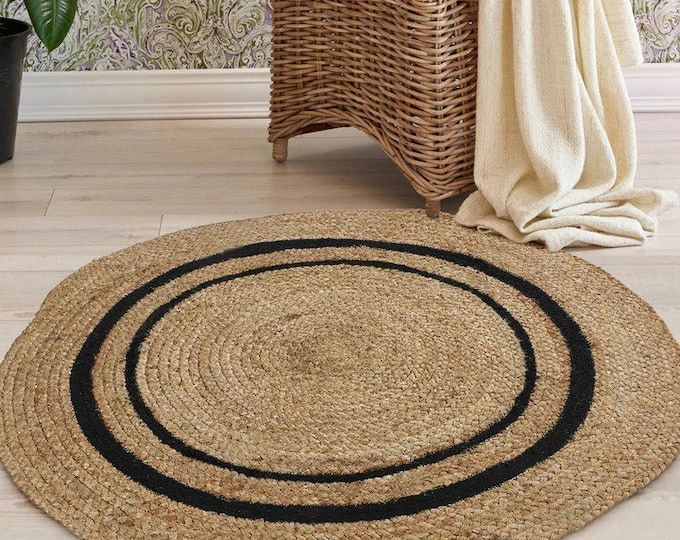
Majamvi Place Mat Set (Set of 4)
More from Kaloleni
Chakacha Performance (Group Booking)
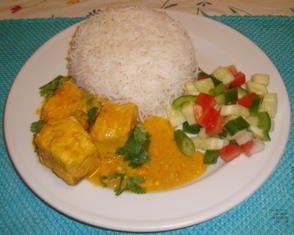
Coconut Stew Pack (Traditional Recipe)
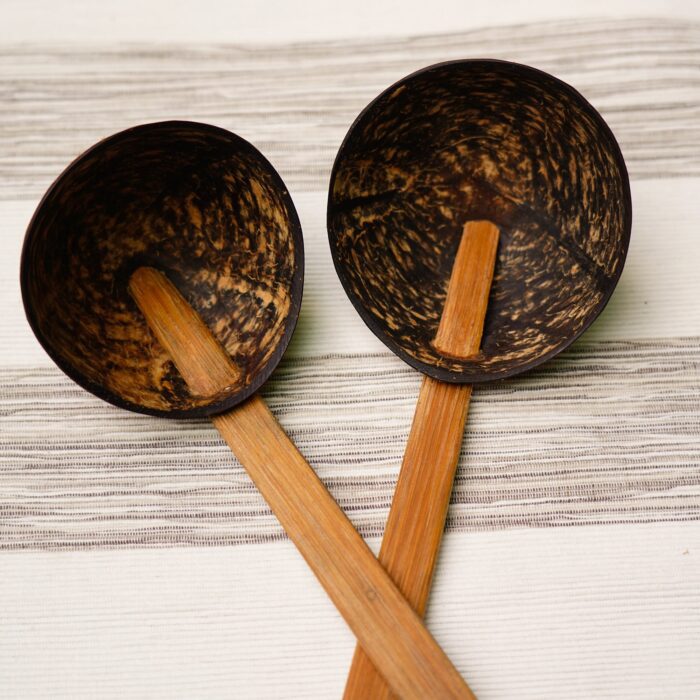
Coconut Shell Ladle (Carved)
Hadithi yangu
My Story
I learned to weave sitting beside my grandmother in the shade of the mvule tree behind our homestead in Kaloleni. I was twelve years old. My hands were small and the fibres were stiff, but she was patient. She said: "The fibre will soften when it knows you are serious."
"The pattern I weave today is the same pattern my grandmother wove when she sat in this same shade. When I close my eyes, my hands still know the way without looking."
I have been weaving majamvi for sixty years now. The diamond pattern, mwundo wa almasi, is the one I know best. It was the first pattern my grandmother taught me, and it was the last pattern she wove before her hands could no longer hold the fibre. I carry it in my memory the way she carried it in hers.
Through the Mikono ya Mzee programme at the Kaloleni Cultural Centre, I have trained fourteen young people in this craft. Some are my own grandchildren. Others come from families who never wove. I teach them not just the pattern, but the meaning: because a majamvi without its story is just a mat. A majamvi with its story is a map, a prayer, and a promise all at once.
Bidhaa zangu
My Crafts
Majamvi Heritage Mat (Diamond Pattern)
Majamvi Table Runner (Stripe) Design
Majamvi Place Mat Set (Set of 4)
Woven Wall Hanging (Wave Pattern)
Coconut Fibre Basket (Small)
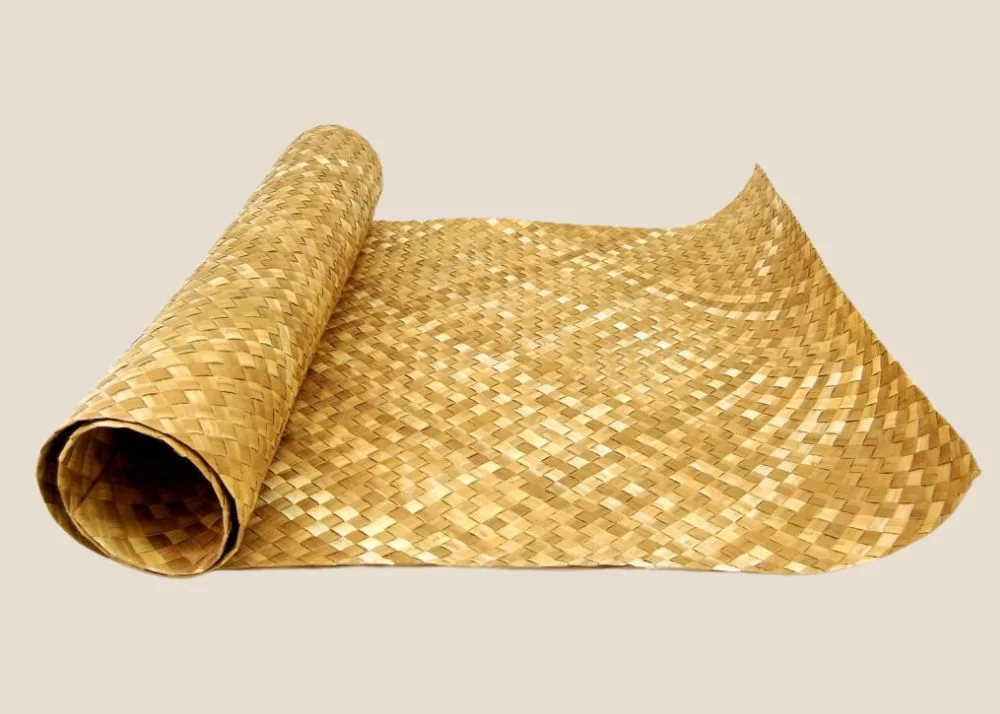
Majamvi Floor Mat (Large)
Maoni
Reviews
Anne Wanjiku
Nairobi · Verified purchase
"The mat arrived in perfect condition. The craftsmanship is extraordinary: you can feel the precision in every row. I bought it as a gift for my mother and she was moved to tears. This is not a product, it is a treasure."
James Muthui
Mombasa · Verified purchase
"I displayed the mat in my hotel lobby and guests constantly ask about it. The story behind the diamond pattern adds so much meaning. Mwaka Kadi is a true artist."
Sarah Kimani
London · Verified purchase
"Shipped to London without any issues. The packaging was careful and the mat arrived in beautiful condition. I have it hanging on my wall and it sparks conversation every time someone visits. Worth every penny."
Details
Credentials
Mikono ya Mzee Programme
Through the Kaloleni Cultural Centre's youth skills academy, Mwaka has passed her weaving knowledge to the next generation.
Part of
Kaloleni Cultural Centre
Jiko
The Traditional Kitchen: Where flavour meets memory
Every dish carries centuries of coastal knowledge. Coconut milk, spices from the trade routes, and fish from the Indian Ocean, prepared by hands that learned at the hearth.
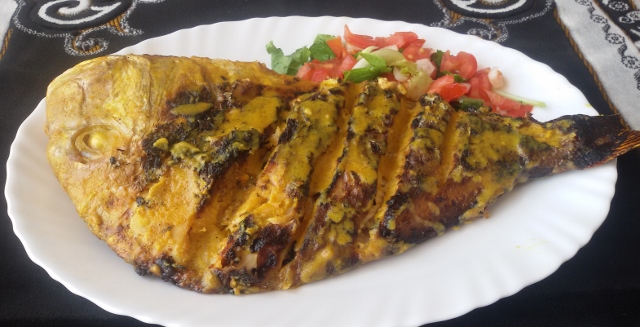
Samaki wa Kupaka
Coconut-marinated grilled fish: the taste of the coast
Fresh fish marinated in a rich coconut milk paste with tamarind, garlic, and chilli, then grilled over charcoal until the skin crisps and the flesh absorbs every layer of flavour. This is the dish that defines Kilifi's coastal kitchen.
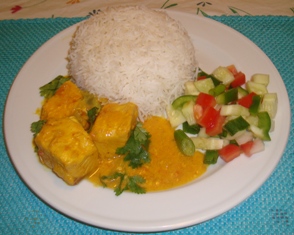
Mchuzi wa Nazi (Coconut Curry Pack)
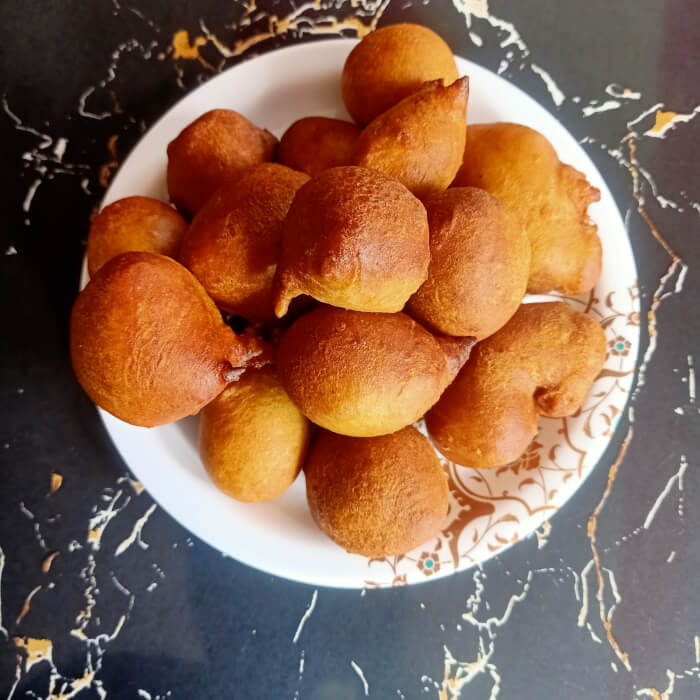
Kaimati and Halua (Sweet Pack)
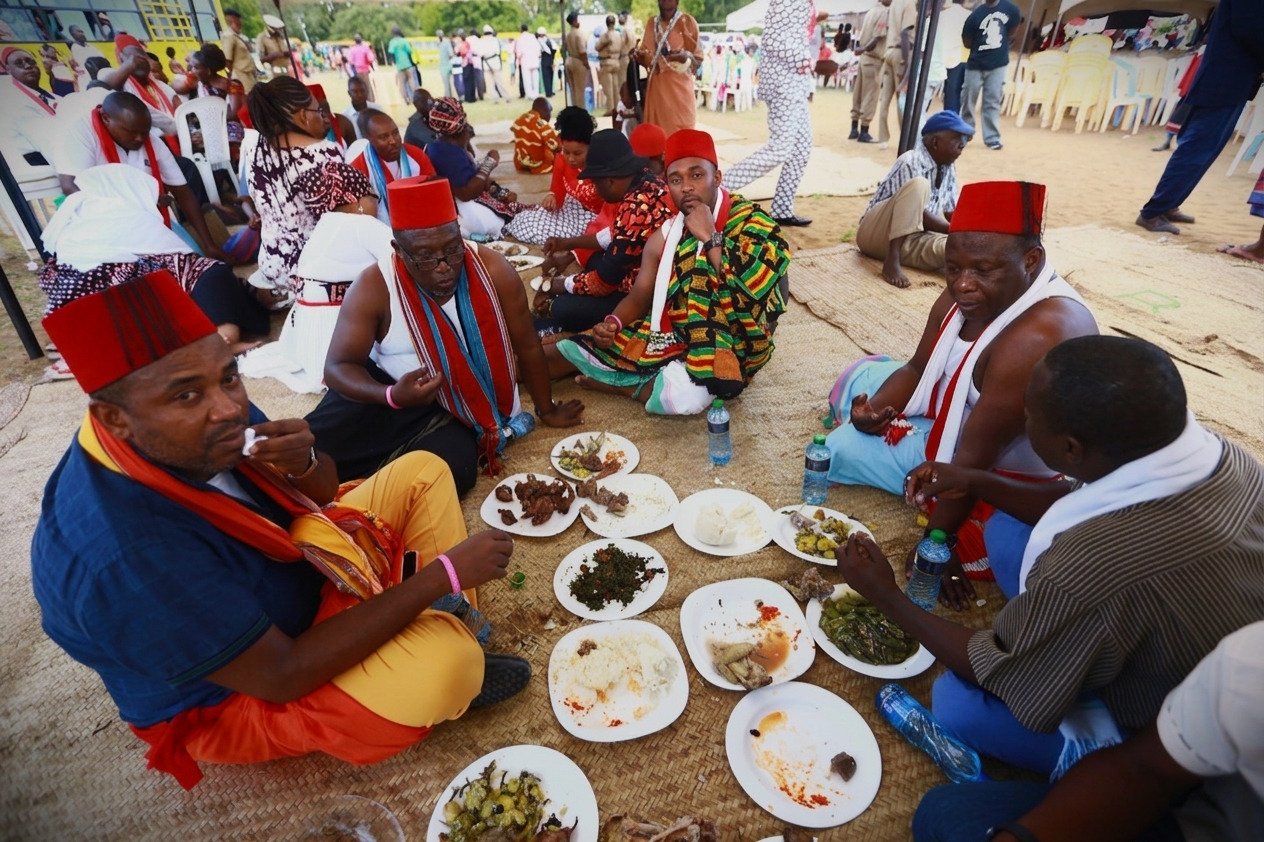
Traditional Coastal Feast (Catering, 20 pax)
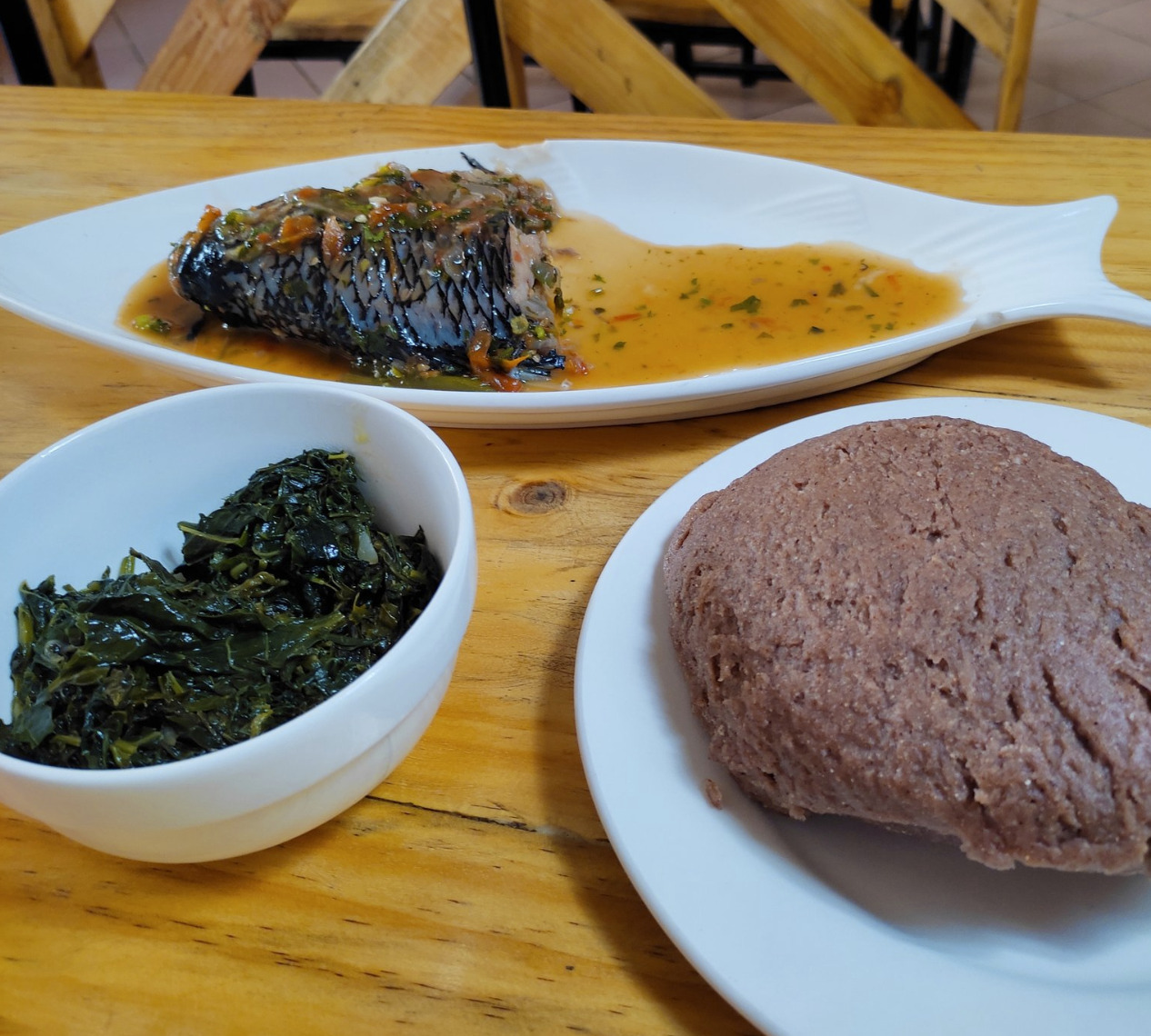
Sorghum Ugali (Traditional Grain Pack)
Sherehe ya Utamaduni wa Mijikenda
Annual Mijikenda Culture Week
Seven days. Seven sub-counties. One living culture. The world comes to Kilifi.
Seven Days. Seven Purposes.
Siku ya Ufunguzi
Opening Day
Official opening ceremony, elder blessings, and the first public showcase of heritage artefacts from all seven centres.
Siku ya Ufundi
Craft Day
Live craft demonstrations from every sub-county. Wholesale buyer sessions. Artisan-meets-buyer matchmaking for hotels and exporters.
Siku ya Chakula
Traditional Food Day
Every traditional dish prepared live. Hotel and restaurant procurement sessions. Tasting, learning, and ordering for your kitchen.
Siku ya Ngoma
Dance Day
Chakacha, Kilumi, and all traditional dances performed. Cultural tourism operator day: book performances for your guests.
Siku ya Vijana
Youth Day
Enterprise workshops, microfinance information sessions, and youth artisan showcases. The future of the culture takes centre stage.
Siku ya Biashara
Commerce Day
Export-ready products showcased. International buyer meetings. B2B procurement sessions. The economic engine of culture.
Siku ya Ufungaji
Grand Closing Gala
The grand celebration. All performances. All food. Awards for master artisans. The civic declaration of the Mijikenda Economic Liberation.
Who Should Attend
Visitors & Families
Experience living culture
Hotels & Restaurants
Source authentic products
Wholesale Buyers
Meet artisans directly
International Buyers
Export-ready procurement
Tourism Operators
Book cultural experiences
Media & Press
Cover the story
Cultural Institutions
Partnership opportunities
Diaspora
Reconnect with heritage
Register Your Interest
Be the first to know when registrations open.
Asante!
Your interest has been registered. We'll be in touch when registrations open.
Kuhusu Asili
About the Platform
"The elder's hand holds what no book can teach. The youth's hand carries what no money can buy. Together, they hold Kilifi's future."
Asili is not a shop with heritage styling. It is a coastal cultural economy made visible: a living infrastructure where the heritage, community, and commerce of the Mijikenda people work as one system, not as separate concerns.
The platform was born from the Great Mijikenda Economic Liberation framework: a vision for how Kilifi County's seven sub-counties can build sustainable livelihoods from cultural knowledge that has existed for centuries but has never been properly valued, documented, or connected to markets.
The Three Layers
Hazina
Treasure / Archive
Elder stories, craft origins, dance documentation, food histories, Kaya knowledge: the cultural proof that earns the right to sell.
Jamii
Community
Seven Cultural Enterprise Centres, artisan profiles, youth apprenticeships, dance troupes, governance, and certification.
Soko
Market
Products, food, performances, experiences, bookings, wholesale, and international export: the economic engine.
The Cultural Enterprise Centres
At the heart of this platform are seven physical centres, one in each sub-county of Kilifi. Each centre is a workshop, an academy, a kitchen, an archive, and a community venue. They are not just buildings; they are institutions that give the culture a home, the artisans a base, and the youth a path.
The centres serve as verification points for artisan profiles, training grounds for apprenticeships, performance venues for dance troupes, and kitchens for traditional food producers. They are the institutional backbone of the entire Liberation framework.
The Preservation Levy
Every transaction on Asili includes a KES 50 Cultural Preservation Levy. This is not a platform fee; it is a community promise. The levy goes 100% to the relevant sub-county's Cultural Enterprise Centre fund, where it pays for youth apprenticeships, archive recordings, and elder artisan recognition.
This is the Mikono ya Mzee Cultural Preservation Levy. It is not a charge. It is a promise.
Who This Is For
This platform exists for three people: the grandmother in Kaloleni who has woven majamvi for sixty years and deserves a market for her work; the young person in Ganze who wants to learn pottery but has no place to learn it; and the buyer in Nairobi, London, or Dubai who wants something real, not a reproduction or a souvenir, but an actual piece of living culture made by an actual person with an actual name and an actual story.
"She is a master craftsperson practising an art form that took a lifetime to perfect. She deserves a market. She deserves an income. She deserves recognition."
Built for Kilifi's Future
Asili is built by people who understand that culture is not a commodity: it is the foundation of identity, the source of dignity, and the path to economic self-determination. We do not extract value from culture. We make the value that already exists visible, accessible, and fair.
Somewhere in Kilifi County, right now, an old woman is weaving. Her hands know the work without her eyes needing to look. The pattern she is following was taught to her by her grandmother, who learned it from her grandmother. This platform exists to tell her and to show her that she is a cultural treasure, an economic asset, and the custodian of something the world is waiting to discover.
Mikono ya Mzee. Kesho ya Vijana. Utamaduni wa Milele.
The Elder's Hands. The Youth's Tomorrow. Culture for All Time.
Join the Asili Family
Jiunge na familia ya Mikono ya Mzee
Your skills have a market. Your story has an audience. Fill in your profile and start sharing: we'll guide you every step.
Profile Submitted!
Reviewed and approved within 48 hours.
We'll WhatsApp you when your profile is live.
Reviewed and approved within 48 hours. We'll WhatsApp you when live.
Asili
Mikono ya Mzee
Habari za asubuhi, Mwaka.
Here's your week.
Earnings this month
↑ 12% from last monthActive listings
1 featuredCompleted orders
↑ 3 this weekYouth apprentices
2 new this monthMonthly Earnings
Recent Orders
| Order | Listing | Buyer | Amount | Status | Date |
|---|---|---|---|---|---|
| MJH-2026-0089 | Majamvi Mat (Diamond) | Anne W. | KES 4,550 | Paid | May 18 |
| MJH-2026-0088 | Table Runner (Stripe) | James M. | KES 2,450 | Shipped | May 17 |
| MJH-2026-0087 | Majamvi Mat (Diamond) | Sarah K. | KES 4,550 | Pending | May 16 |
| MJH-2026-0085 | Place Mat Set: 4 Pack | Hotel Kijani | KES 14,400 | Paid | May 14 |
Your Impact This Month
Your sales have contributed KES 600 to the Kaloleni Cultural Centre's Preservation Fund, funding 4 youth apprenticeship sessions this year.
Orodhesha Kitu Kipya
List Something New
Tell the world what you've made, grown, or prepared and share the story behind it.
Complete Your Order
Secure M-Pesa checkout
Majamvi Heritage Mat (Diamond Pattern)
Mwaka Kadi · Kaloleni
Your KES 50 Preservation Levy goes directly to the Kaloleni Cultural Centre, funding youth apprenticeships and elder recognition.
An M-Pesa prompt will be sent to 0712 345 678. Enter your PIN to complete.
Waiting for M-Pesa confirmation...
Usually under 30 seconds.
Do not close this page.
Asante! Payment confirmed.
Your order goes to Mwaka Kadi. She will contact you within 24 hours.